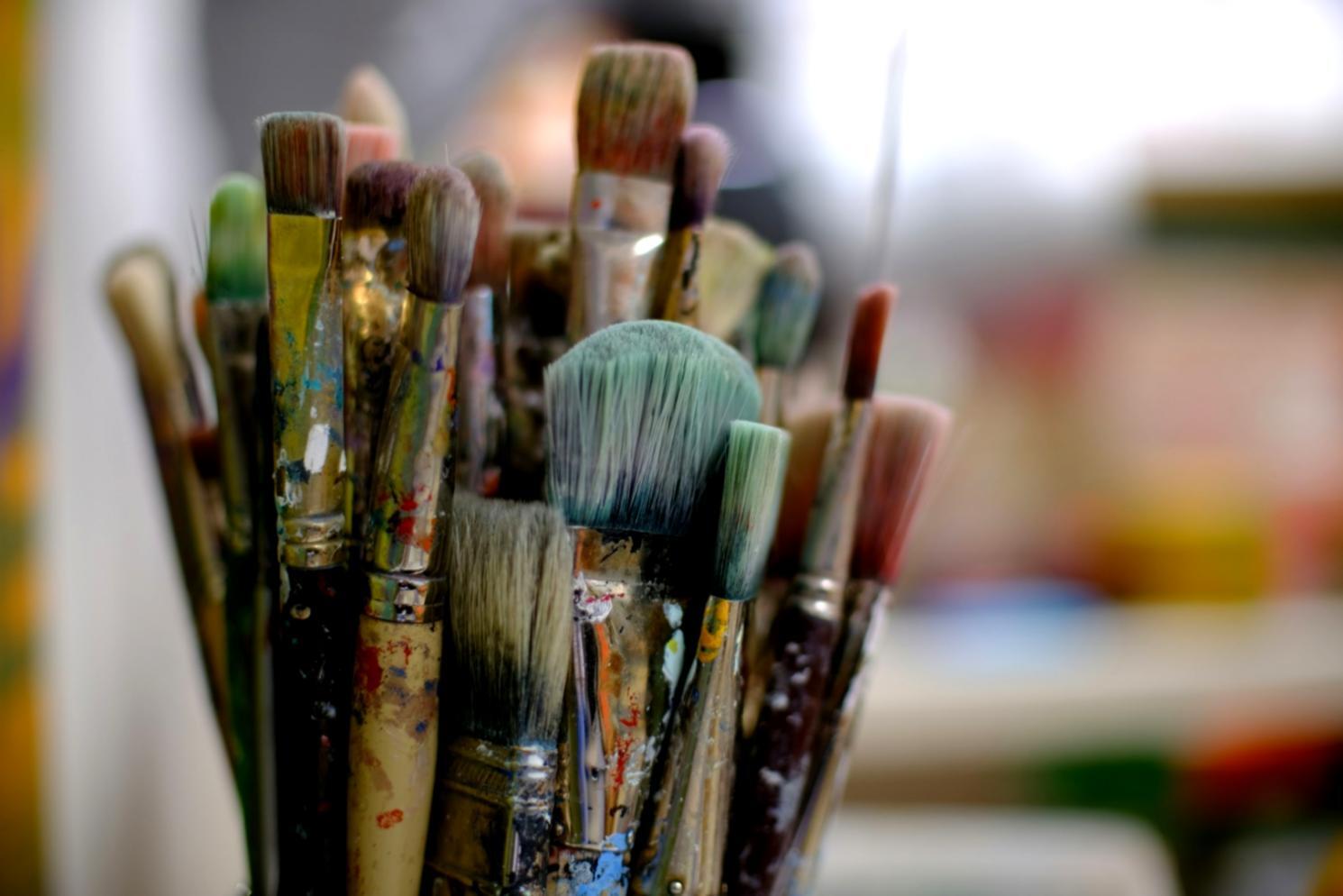
The Artist Who Never Drew Faces
A landscape painter discovered that avoiding portraits had cost her more than she realized, until one afternoon changed everything.

Thoughts on technique, materials, and the learning process. We share what works, what doesn't, and why it matters when you're trying to capture a face on paper.
A landscape painter discovered that avoiding portraits had cost her more than she realized, until one afternoon changed everything.
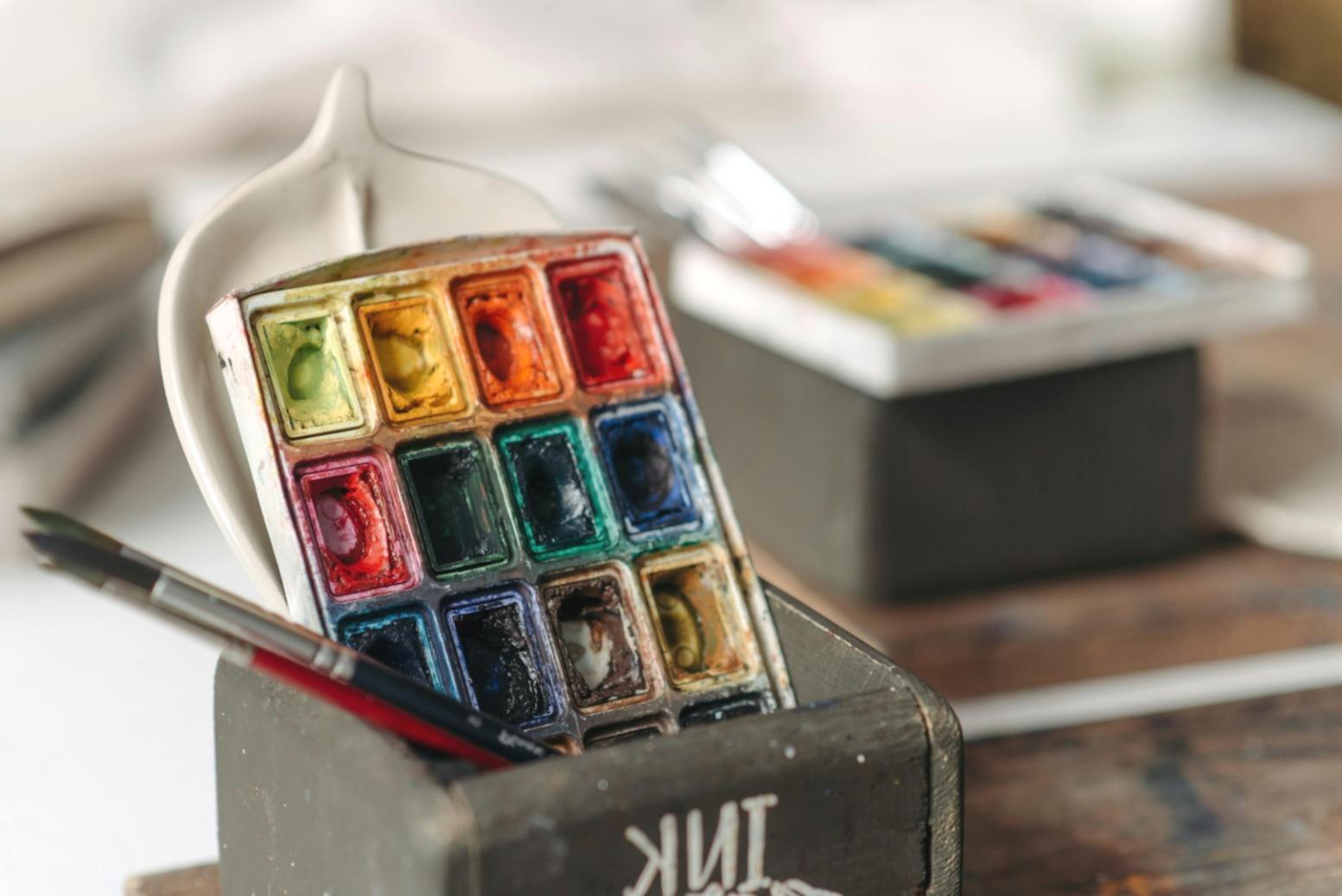
A graphic designer found an unexpected way to improve his portrait skills during lunch breaks, leading to opportunities he had not anticipated.
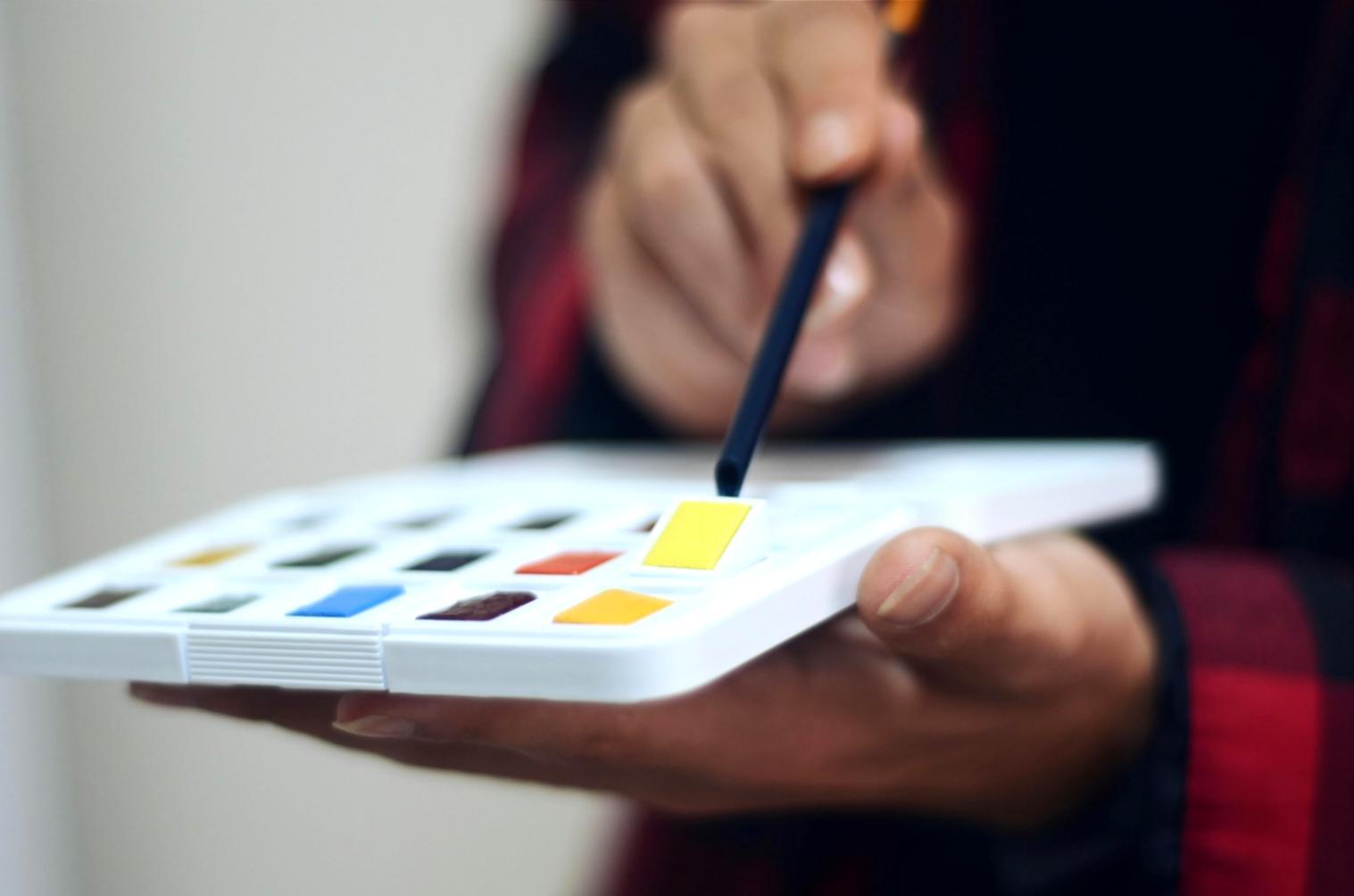
A recent graduate struggling to find work discovered that a skill she considered just a hobby could actually generate reliable income.
A medical student found that drawing portraits during downtime not only improved his observation skills but also changed how he interacted with patients.
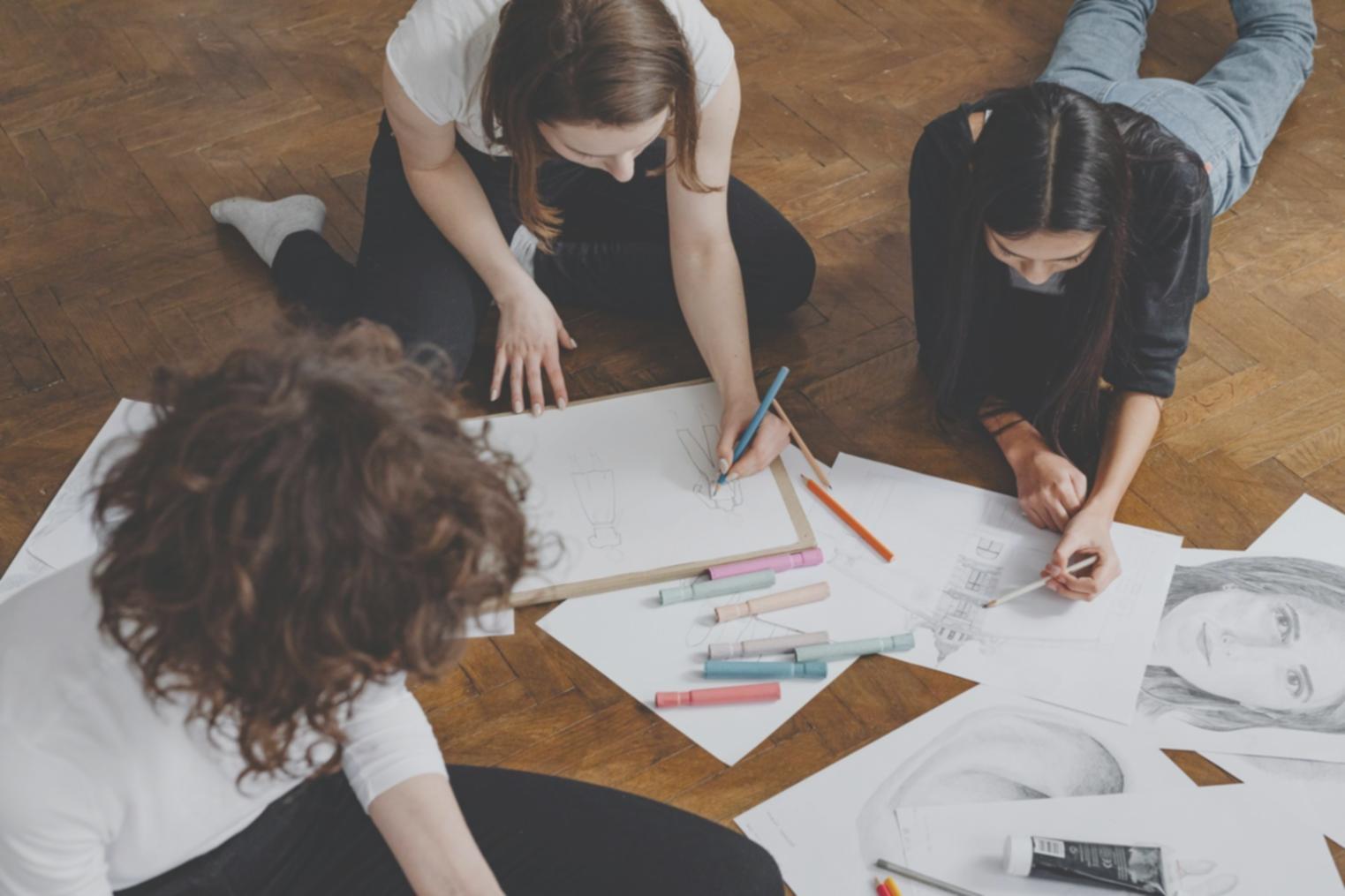
A teacher discovered that quick portrait sketches could break through communication barriers with students in ways that traditional teaching methods could not.
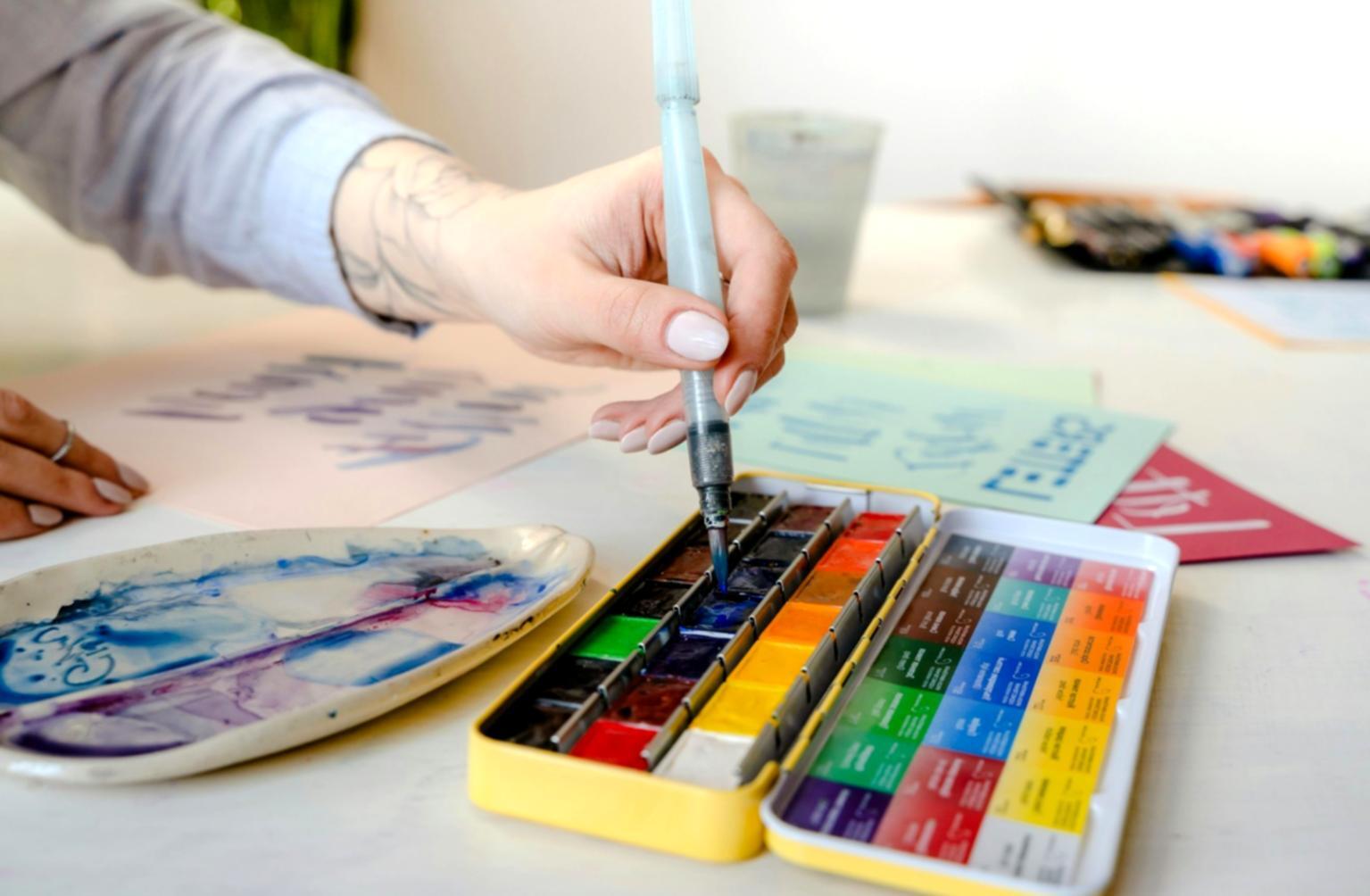
A business consultant turned travel delays into an unexpected opportunity to develop skills that eventually led to a complete career change.
Portrait drawing isn't something you pick up in a weekend. Here's what a typical path looks like, broken down by hours of actual practice. Your timing might vary, but these stages tend to show up in roughly this order.
Getting proportions wrong less often. Starting to see angles and relationships between features. Your drawings look less flat, more like actual faces.
Can capture a basic likeness most of the time. Understanding light and shadow. Working faster without sacrificing too much accuracy.
Reliably capturing character and expression. Comfortable with different angles and lighting. Starting to develop your own approach to drawing faces.
Consistent results across different subjects and conditions. Can work from memory or imagination when needed. Teaching others what you've learned along the way.
Forget the fancy sets and professional-grade everything. Most portrait work happens with basic tools you can pick up at any art store. Here's what matters and what's just noise.
A decent pencil set covering HB through 6B will handle most situations. Graphite gets you started. Charcoal comes later when you want more dramatic range. Paper quality matters more than brand names. Look for something with a bit of tooth that won't pill when you erase.
Kneaded erasers work better than the pink block kind. They lift graphite without damaging paper. Blending stumps are optional. Your finger works fine for most blending, though it gets messy. A fixative spray keeps finished work from smudging, but it's not essential while you're learning.
New posts show up here every couple of weeks. Technique breakdowns, material reviews, and occasional progress checks. Nothing sales-y, just drawing stuff.
We use cookies to improve your experience and analyze site usage. You can manage your preferences or view our Cookie Policy for details.